Executive Summary
Mars Darknet Market operates as a decentralized hidden service designed for anonymous digital commerce. Observers note that the platform was established to provide a secure environment for exchanging specialized digital commodities, prioritizing high-level cryptographic standards.
Unlike traditional e-commerce structures, this platform operates entirely within the Tor network architecture. Its primary focus is on utilizing encrypted communication channels to shield both platform hosts and participants from external observation, creating a self-sustaining resilient network.
Historical Timeline
Genesis Phase
Initial Architectural Deployment
The platform launched its core routing infrastructure. The first iterations included minimal user interfaces, prioritizing robust server setups over aesthetic design.
Security Overhaul
Integration of Advanced Cryptography
Mandatory PGP encryption was implemented system-wide. The platform transitioned to supporting Monero (XMR) exclusively to ensure participant privacy on the ledger level.
Infrastructure Expansion
Scaling Node Capacity
Deployment of advanced anti-DDoS mitigation nodes and distributed database mirrors, heavily increasing uptime and network reliability for all concurrent connections.
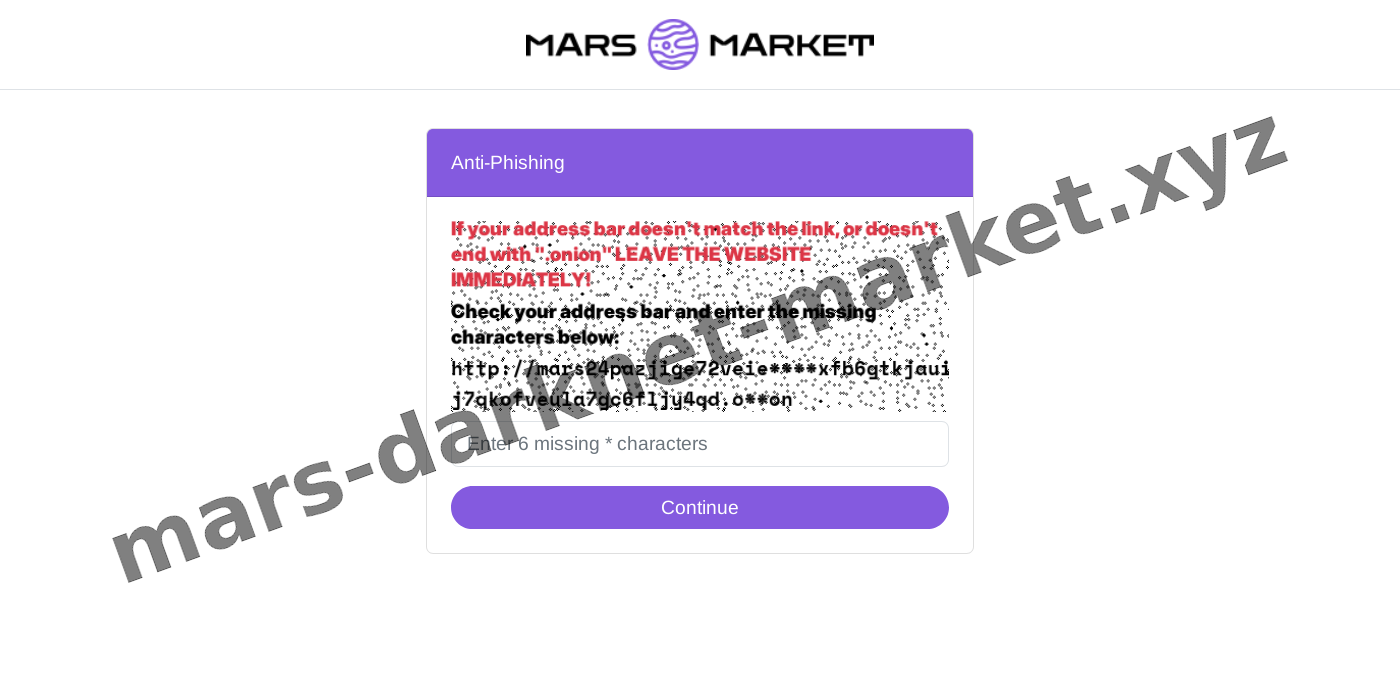
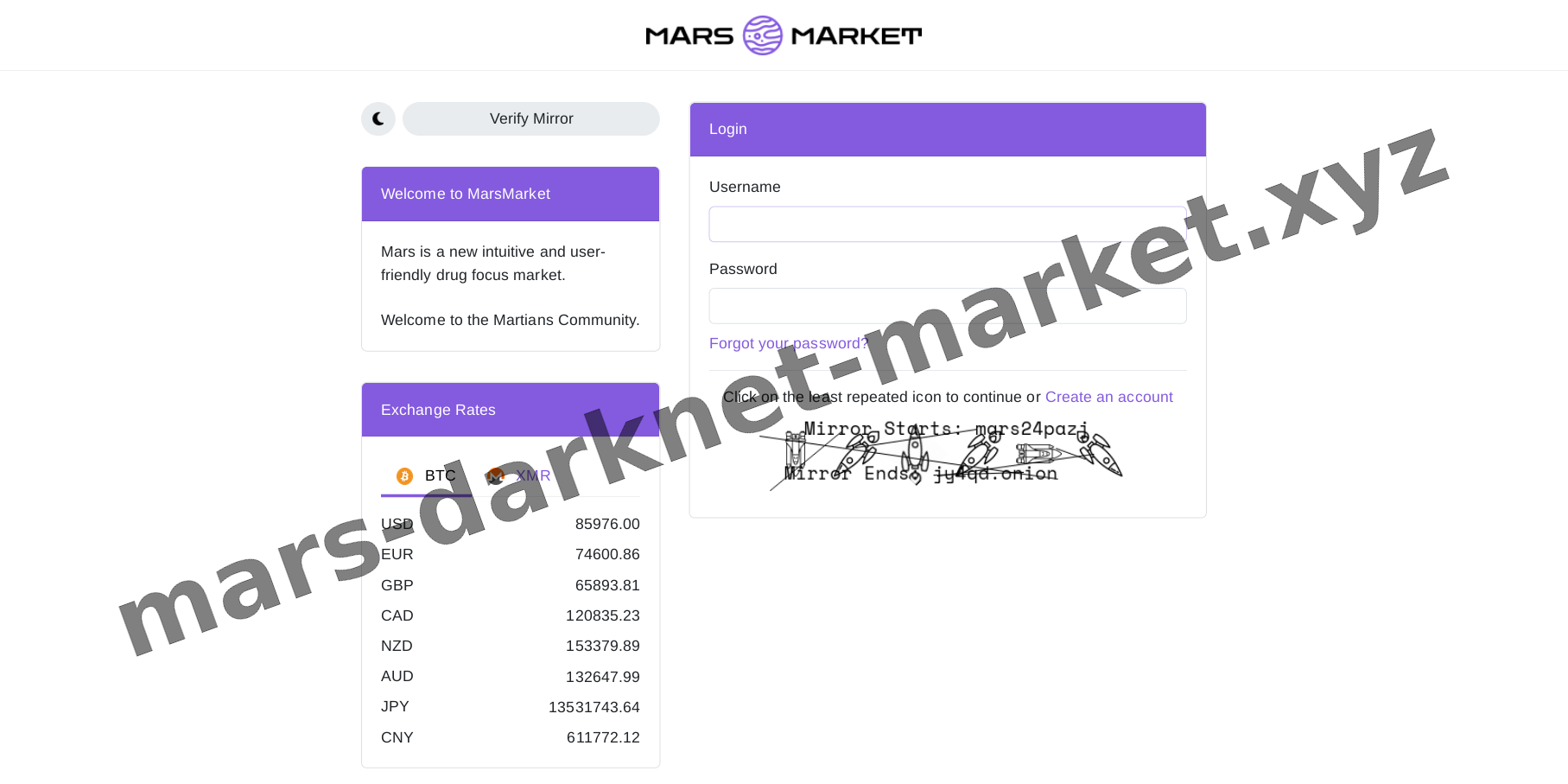
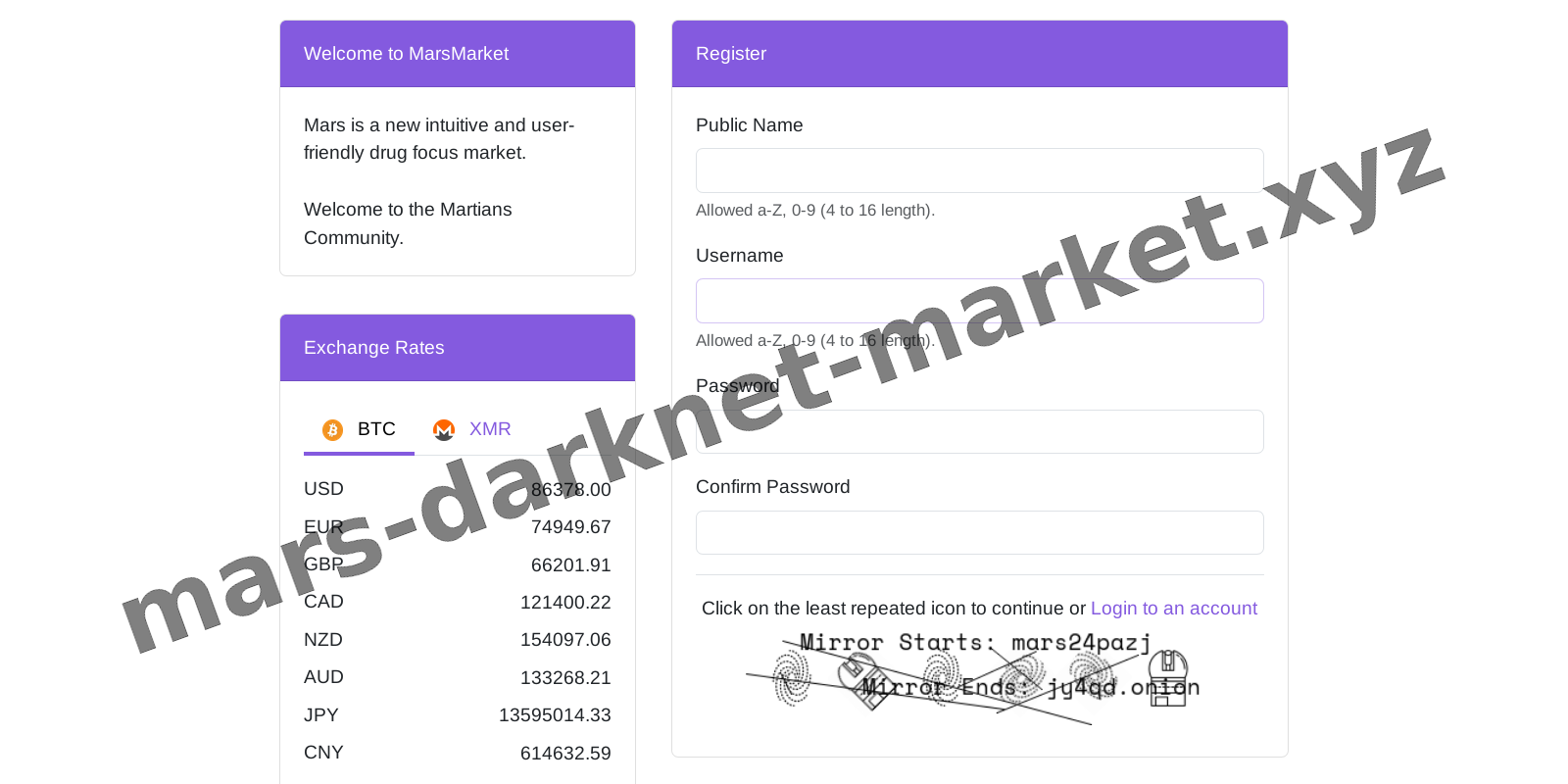
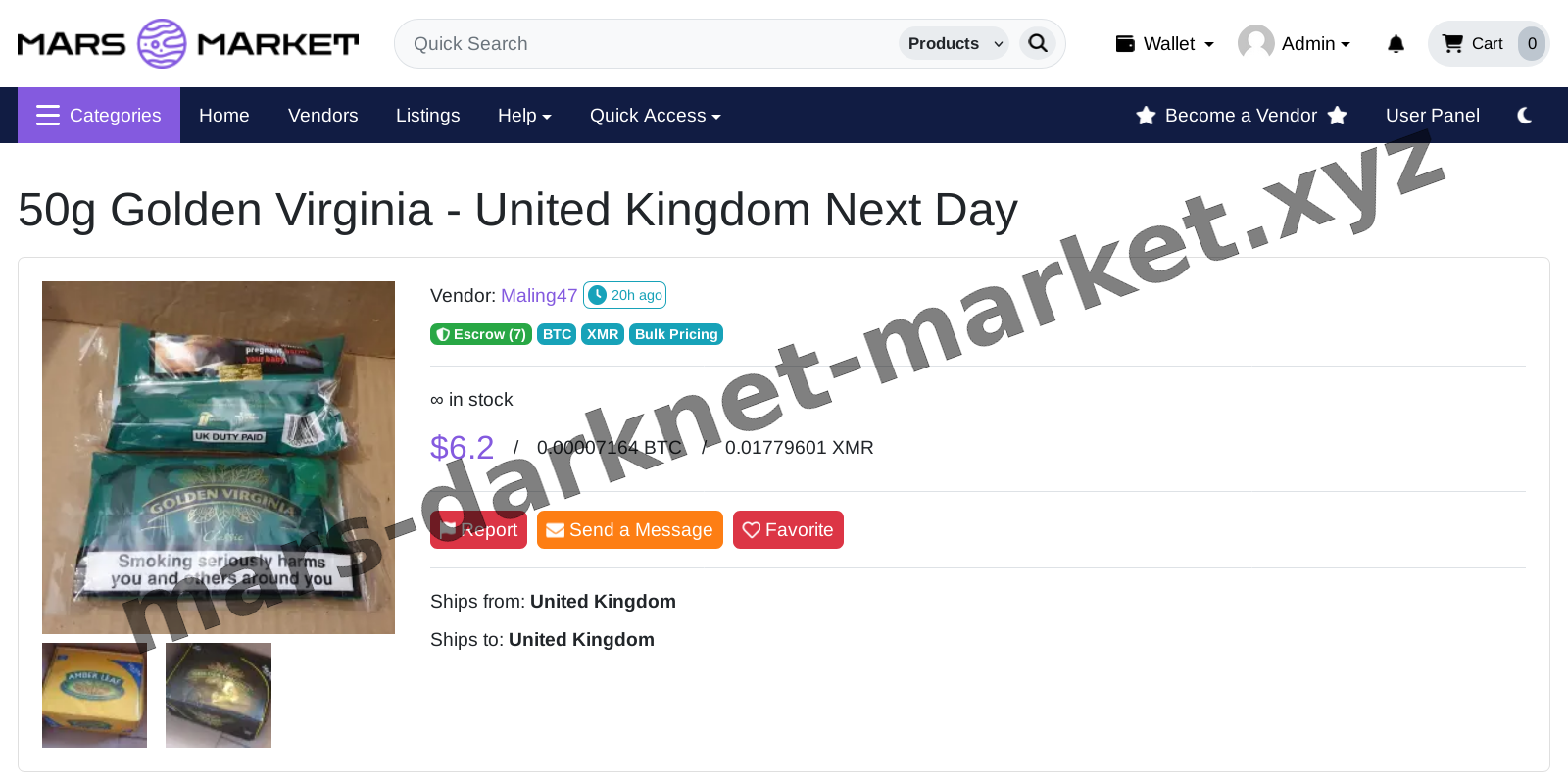
Platform Interface Preview
Visual documentation of the hidden service interface topology.
Technical Specs
- Cryptocurrency: XMR (Monero)
- Wallet System: Walletless mode
- Security Protocol: 2FA / Escrow
- Routing Logic: V3 Onion Standard